
Spiritual Fabric

Consider the soul as a holy temple, sanctuary within which divine presence may dwell. St. Maximus appeals to the prophet Jeremiah, warning us from saying of ourselves as temples of the Lord inconsiderately. The imagery reminds us that spiritual purity and the indwelling of God do require a radical transformation, a sanctification of the inner sanctuary by our actions and intentions.

Read More
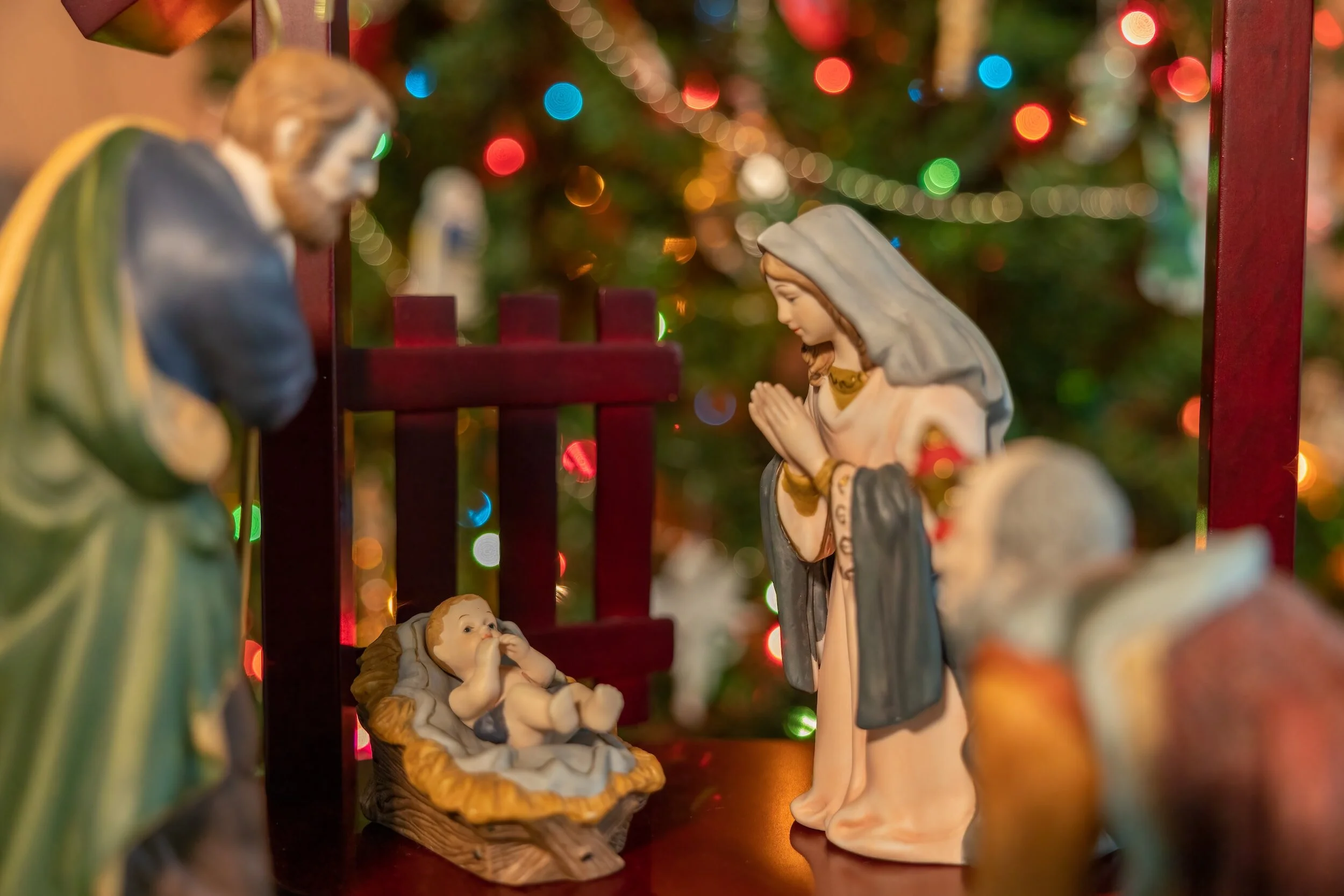

The Incarnate Logos: Understanding Theology through Christ

In the heart of Christian spirituality, as echoed in the profound writings of the Philokalia, lies a gem of wisdom: "Theology is taught us by the incarnate Logos of God since He reveals in Himself the Father and the Holy Spirit." This statement encapsulates a fundamental truth about the Christian journey and the pursuit of understanding God.

Read More
Embracing the Divine Discourse

In the profound depths of the Gospel of John, we encounter a translation that speaks to the heart of our spiritual journey: "At the outset, there existed the dialogue, and this dialogue was alongside God, and indeed, the dialogue was divine." This passage invites us into a mesmerizing world of divine discourse, a realm where contemplation and action intertwine, guiding us towards a deeper understanding of our relationship with the Divine.

Read More
Incarnation, You, and Me

The profound mystery of the Incarnation, as articulated by St. Maximos the Confessor, offers a unique opportunity to explore both the divine and human aspects of this central Christian doctrine. At the heart of this mystery is the paradoxical truth that God, in His infinite and transcendent nature, chose to become fully human in the person of Jesus Christ. This act of Incarnation bridges the immeasurable gap between the divine and human, making it not just a theological concept but a reality that touches every aspect of human existence.

Read More
Embracing Advent: Wisdom from the Early Church Fathers

As we approach the beautiful and solemn season of Advent, I find it fitting to pause our ongoing reflections on the "Centuries on Love" and create a sacred space for contemplation and anticipation. In this spirit, I am delighted to announce that beginning tomorrow, December 3, the First Sunday in Advent, an Advent blog will begin that will feature daily devotions written by the members of our Daughters of the King chapter from St. Francis in-the-Field Episcopal Church.

Read More
Love Conquers the Storm

Think about those stories where love is so strong that nothing bad that happens can stop it. Like in the Bible, when Job loses everything but still trusts and loves God completely. Or in Charles Dickens' book "A Tale of Two Cities," where Sydney Carton loves so much that he's willing to die for someone else, showing the kind of love that doesn't end even when life does.

Read More
Navigating the Odyssey of Dispassion

In the vast tapestry of literature and scripture, there are tales of tempests and tranquility, challenges and champions, and above all, the eternal struggle between good and evil. Each narrative provides glimpses into the deepest desires of the human soul and its quest for dispassion.

Consider the image of Dante's "Divine Comedy". As Dante journeys through the Inferno, he witnesses the chaotic whirlwind of passions that ensnare souls, condemning them to an eternity of unrest. It's a vivid representation of a soul trapped in its own tumultuous emotions, unable to break free from its self-inflicted torments. This hellish imagery starkly contrasts with the serene landscapes of Paradiso, where souls bask in divine light, having overcome the turbulence of their earthly passions.

Read More
Navigating the Storms of the Soul

Imagine a tranquil pond, its surface smooth like glass. It perfectly mirrors the azure sky above, with fluffy white clouds drifting lazily and trees lining its periphery. The scene is one of harmony, with each element in its place, painting a picture of serenity and balance.

This pond symbolizes the soul in its natural state—calm, composed, and reflective of its divine origin.

Now, envision a sudden gust of wind, ruffling the pond’s surface. Ripples form, distorting the once-clear reflection. This disruption, while temporary, shifts the balance, causing a disturbance in the peaceful tableau.

Read More