Brother’s Keeper: Confronting the Predator at the Door
Genesis 4:1–16; Hebrews 4:14–5:10
Am I my brother’s keeper? Cain’s question is the first question any human being asks God after the Fall—and it is a deflection. He knows where Abel is. He knows what he has done. The question is not seeking information. It is refusing responsibility.
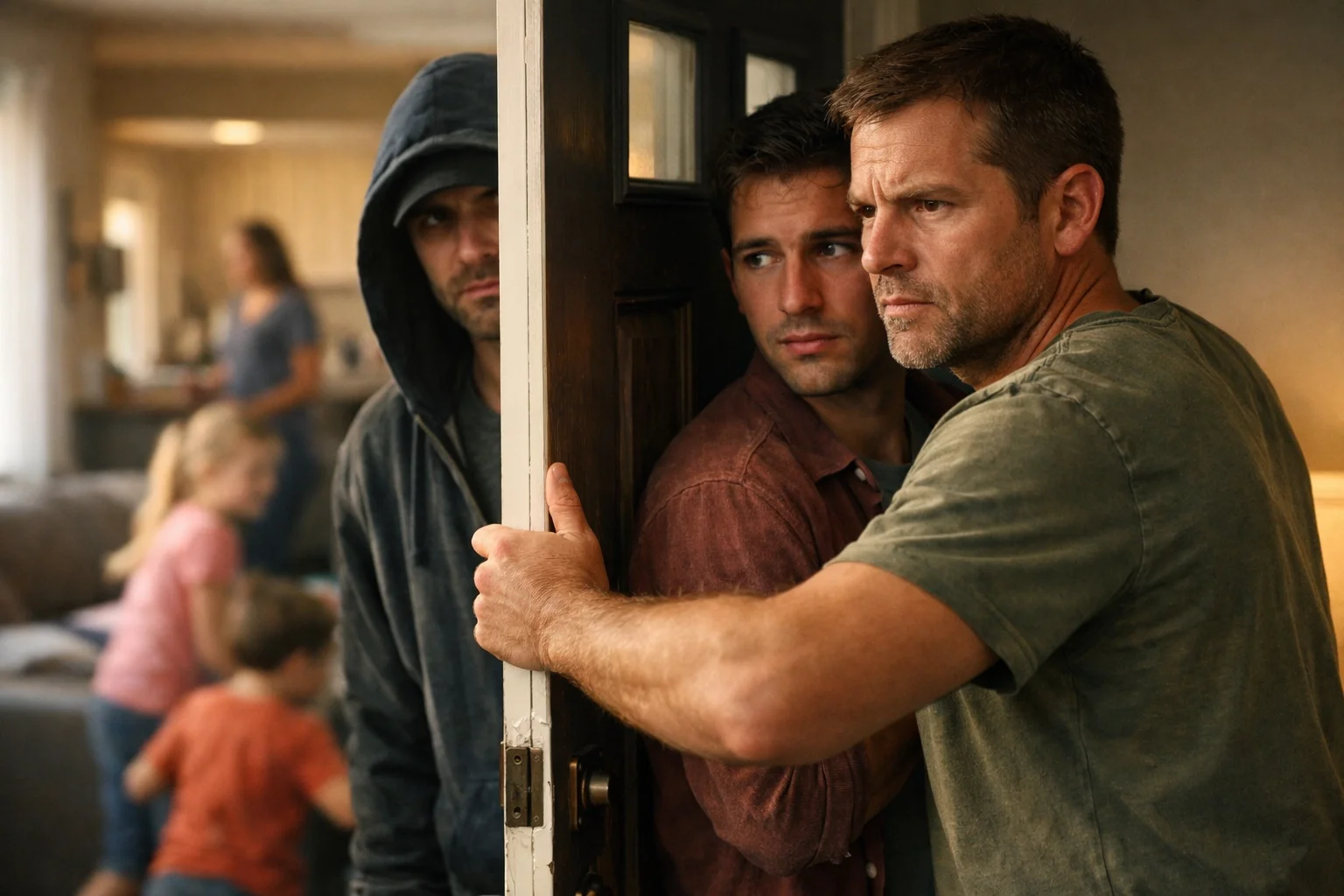
The story of Cain and Abel is not primarily about murder. It is about what happens when we allow envy to curdle into violence. God warns Cain before the act: sin is lurking at the door; its desire is for you, but you must master it. The Hebrew word for lurking is the same word used for a crouching predator. Sin is not an abstract concept here. It is a living thing, waiting.
"If only it were all so simple! If only there were evil people somewhere insidiously committing evil deeds, and it were necessary only to separate them from the rest of us and destroy them. But the line dividing good and evil cuts through the heart of every human being." —Aleksandr Solzhenitsyn, The Gulag Archipelago
Cain’s tragedy is not that he was uniquely evil. It is that he was ordinary. He brought an offering. He wanted to be seen, accepted, favored. When his brother received what he wanted, something broke inside him. The face fell, the Scripture says. That falling of the countenance—the slow collapse of self-regard into resentment—is a movement every human heart has known.
The Letter to the Hebrews offers the antidote: “we have a great high priest who has passed through the heavens, Jesus the Son of God.” But he is not a distant, untouchable priest. He is one who in every respect has been tested as we are, yet without sin. He knows what crouches at the door. He has felt its weight. And he did not yield.
Abba Moses, one of the most beloved of the desert fathers—a former thief and murderer who became a monk—was once asked to judge a brother who had sinned. He came to the meeting carrying a leaking bag of sand on his back. When asked why, he said: “My sins run out behind me, and I do not see them, and today I am coming to judge the sins of another.” The room fell silent. The brother was forgiven.
The question Am I my brother’s keeper? echoes through every age. Every time we look away from another’s pain, every time we let envy harden into indifference, we are Cain standing in the field. But the gospel insists we are not left there. We have a high priest who does not deflect, who does not look away, who carries our failing on his own body.
Today, notice where the predator crouches. Where envy, resentment, or indifference lurks at the door of your heart. You need not master it alone. Approach the throne of grace with boldness—the mercy seat where sin is named and still, somehow, forgiven.
What Solzhenitsyn understood—and what the story of Cain so powerfully illustrates—is that evil is not a separate species among us. It is a capacity within us. The moment we externalize it, projecting our shadow onto the other, we have already taken the first step toward the field where Abel lies. The spiritual life begins not with the conquest of evil in others but with the honest acknowledgment of its potential in ourselves. This is why the desert fathers fled to the wilderness: not to escape the world's wickedness but to confront their own.