
The Angry Prophet: When Mercy Feels Like an Insult
Jonah 4:1–11; Romans 1:8–17
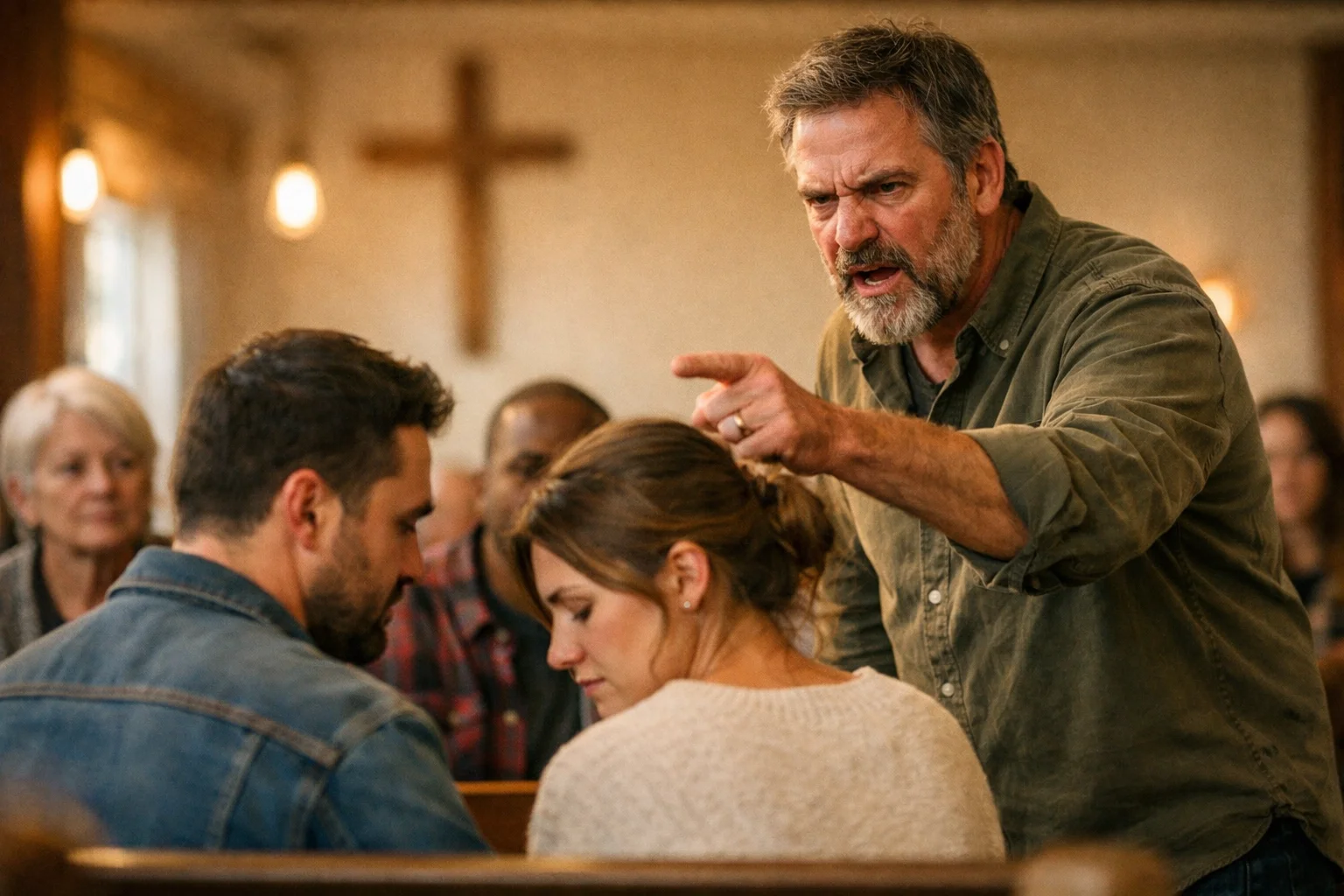
Jonah is furious—and not because his mission failed. He is angry because it succeeded. The city repented. God relented. And Jonah, sitting under the scorching sun outside the city walls, cannot stand it. I knew it, he seethes. I knew you were a gracious God, merciful, slow to anger, abounding in steadfast love. He says this not as praise but as accusation.
Here is something uncomfortable: Jonah’s theology is impeccable. He knows exactly who God is. He can recite the ancient creed from Exodus 34. But knowing the truth about mercy and wanting mercy for others are two very different things. Jonah would rather die than watch his enemies receive grace.
"Grace is not a strange, magic substance which is subtly filtered into our souls to act as a kind of spiritual penicillin. Grace is unity, oneness within ourselves, oneness with God." —Thomas Merton
We all have a little Jonah in us. There are people whose repentance we do not want to accept. There are situations where we would prefer retributive justice—meaning punishment—over mercy. We sit outside the city, arms crossed, waiting for fire to fall, and when it doesn’t, we sulk. The bush that sheltered Jonah withers, and he grieves for the bush more than for a hundred and twenty thousand people who cannot tell their right hand from their left.
God’s final question to Jonah is devastating in its gentleness: Should I not be concerned about Nineveh? The book ends there—no answer from Jonah. The silence is the point. We are left holding the question ourselves.
Paul writes to the Romans that in the gospel, the righteousness of God is revealed through faith for faith. The righteous will live by faith. This is the same scandal Jonah could not stomach: God’s righteousness is not a wall that keeps the unworthy out. It is a door that swings wide open—for everyone who believes, first for the Jew, then for the Gentile.
Amma Syncletica, one of the great desert mothers, taught: In the beginning there are a great many battles and a good deal of suffering for those who are advancing towards God, and afterwards, ineffable joy. She knew that the deepest suffering is often not external hardship but the inner war between our desire for control and God’s insistence on mercy.
Today, sit with Jonah’s anger. Not to judge him—but to find yourself in him. Where in your life are you sitting outside the city, resenting the mercy God shows to someone else? Where have you made God’s grace too small? The bush will wither. But the question remains—and it is an invitation, not a rebuke.
There is a peculiar modern temptation to make God's mercy conditional—to say, in effect, God forgives, but only if the sinner suffers enough first. We want repentance to look like punishment. We want contrition measured in tears and public shame. But the book of Jonah refuses this economy. God sees the sackcloth and ashes of Nineveh and relents—immediately, without demanding further proof. This is what Jonah cannot bear: a mercy that moves too fast, that forgives too freely, that does not extract its pound of flesh.